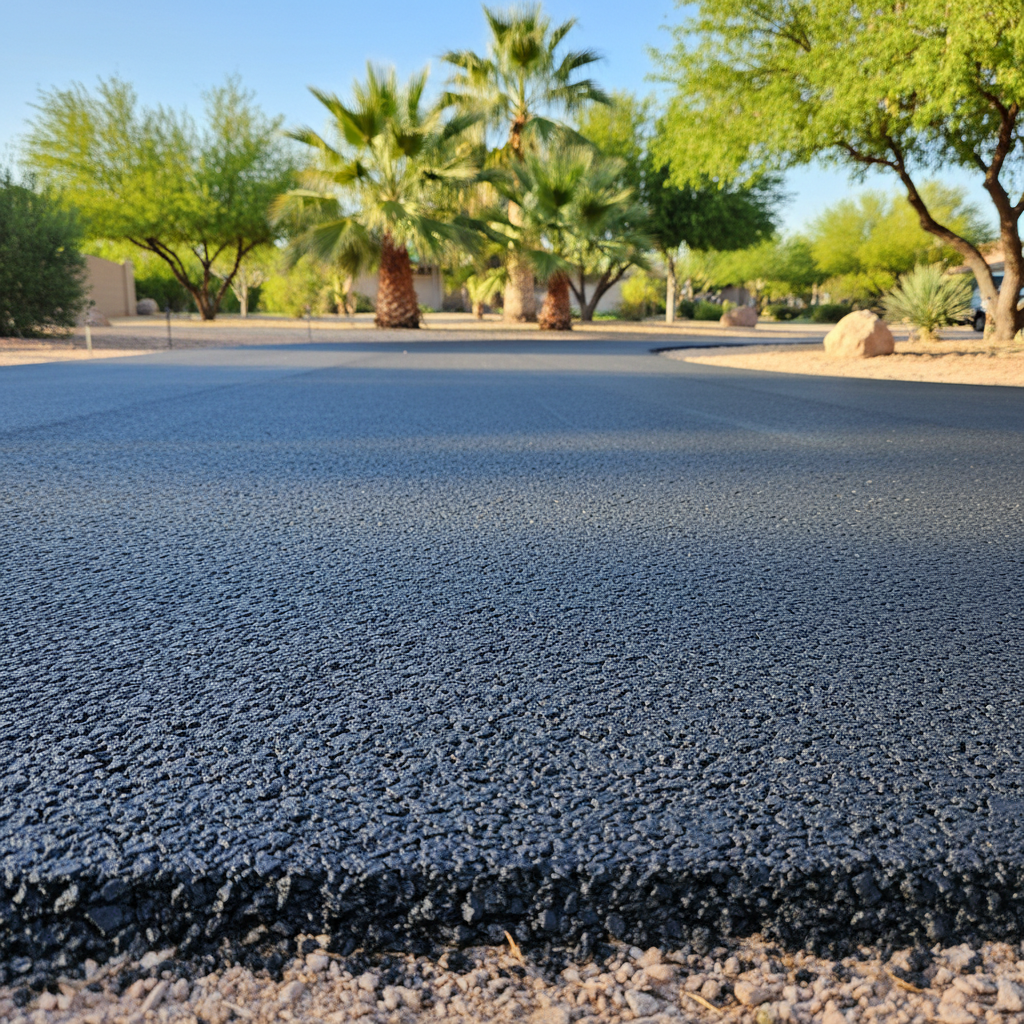
So, you're eyeing your driveway and thinking it's probably time for an upgrade. Maybe it's got cracks, it's crumbling, or it just looks awful. A new driveway can seriously boost your home's curb appeal and make things work better, but let's be honest, it's a big project. We should talk about what you need to consider, from start to finish, especially since we're right here in Tempe.
Before You Start: Planning Your Driveway Project
First off, don't just dive in headfirst. A little planning really pays off. You've got a few material choices: concrete, pavers, or asphalt. Each one has its good points and its bad points, naturally. Concrete is tough and doesn't need much upkeep, but it can crack in our brutal Tempe heat if it's not put in correctly. Pavers look fantastic and offer some flexibility, but they can shift over time, and weeds just love to sprout up between them. Asphalt? It's usually cheaper, flexible, and handles our crazy temperature swings pretty well, though you do need to seal it regularly.
Now, think about drainage. This is a huge deal, particularly with our monsoon season. You absolutely don't want water pooling on your brand new driveway, or worse, running right toward your foundation. Getting the grading right is critical. You'll also need to check on any city permits. For most residential driveways, especially if you're just replacing what's already there and not changing the size or how you access the street, you might not need a full-blown permit. Still, it's always smart to double-check with the City of Tempe's planning department. Better safe than sorry, right?
Okay, so what about DIY versus hiring a pro? For something small, like a little paver walkway or a minor patch job, you might be able to tackle it yourself if you're handy. But for a whole driveway, especially if it's asphalt or concrete, that's usually a job for the experts. The equipment alone for proper sub-base prep, pouring, or laying asphalt is specialized and expensive. Plus, getting the right slope, compaction, and finish takes real skill and experience. You certainly don't want to spend all that time and money only to have your driveway fall apart in a couple of years.
During the Project: What to Expect
If you're going with a professional, they'll handle most of this stuff, but it's good to know what's actually happening. The first step is always site preparation. This means taking out the old driveway, if there is one, and digging out the area. Then comes the sub-base. This is probably the most important part of the whole job, even if you never actually see it. A well-compacted, stable sub-base stops settling, cracking, and other problems down the road. Here in Tempe, we often run into caliche soil, which can be a bit tricky. You need someone who knows how to deal with that properly for a surface that lasts.
For asphalt, once the sub-base is ready, they'll lay down the asphalt binder course, and then the surface course. Each layer needs to be compacted really well. For concrete, they'll set up forms, put down rebar or mesh for reinforcement, and then pour the concrete. They'll finish it to whatever texture you want and cut expansion joints to help control cracking. If you're doing pavers, they'll spread a sand bed over the compacted sub-base, then place the pavers, finishing up with joint sand.
Throughout all this, talking with your contractor is super important. Ask questions. Make sure you understand the timeline and exactly what they're doing. A good contractor, like us at Alpha Asphalt Tempe, will keep you in the loop every step of the way.
After the Project: Maintenance and Care
Once your new driveway is in, you're not entirely finished. There's some care involved, especially during those first few weeks. For concrete, you'll need to keep it moist for a few days so it cures correctly. Don't drive on it for at least a week, maybe longer depending on the mix. For asphalt, you'll want to avoid heavy loads and sharp turns for a bit. It just takes time to fully cure and harden. You might notice some tire marks or minor indentations at first; that's actually pretty normal.
Long-term maintenance really depends on your material. Concrete should be sealed every few years to protect it from stains and moisture. Pavers need occasional sweeping and re-sanding of the joints, and you might want to seal them too. Asphalt needs regular sealing, usually every 2-3 years. This protects it from UV rays, water, and oil spills, which can break down the binder and cause cracks. Think of it like putting sunscreen on your driveway. Staying on top of this maintenance will significantly extend your driveway's life and keep it looking good.
Keep an eye out for small cracks. If you catch them early, they're much easier and cheaper to fix. Don't let them turn into bigger headaches. A little proactive care really goes a long way in protecting your investment.