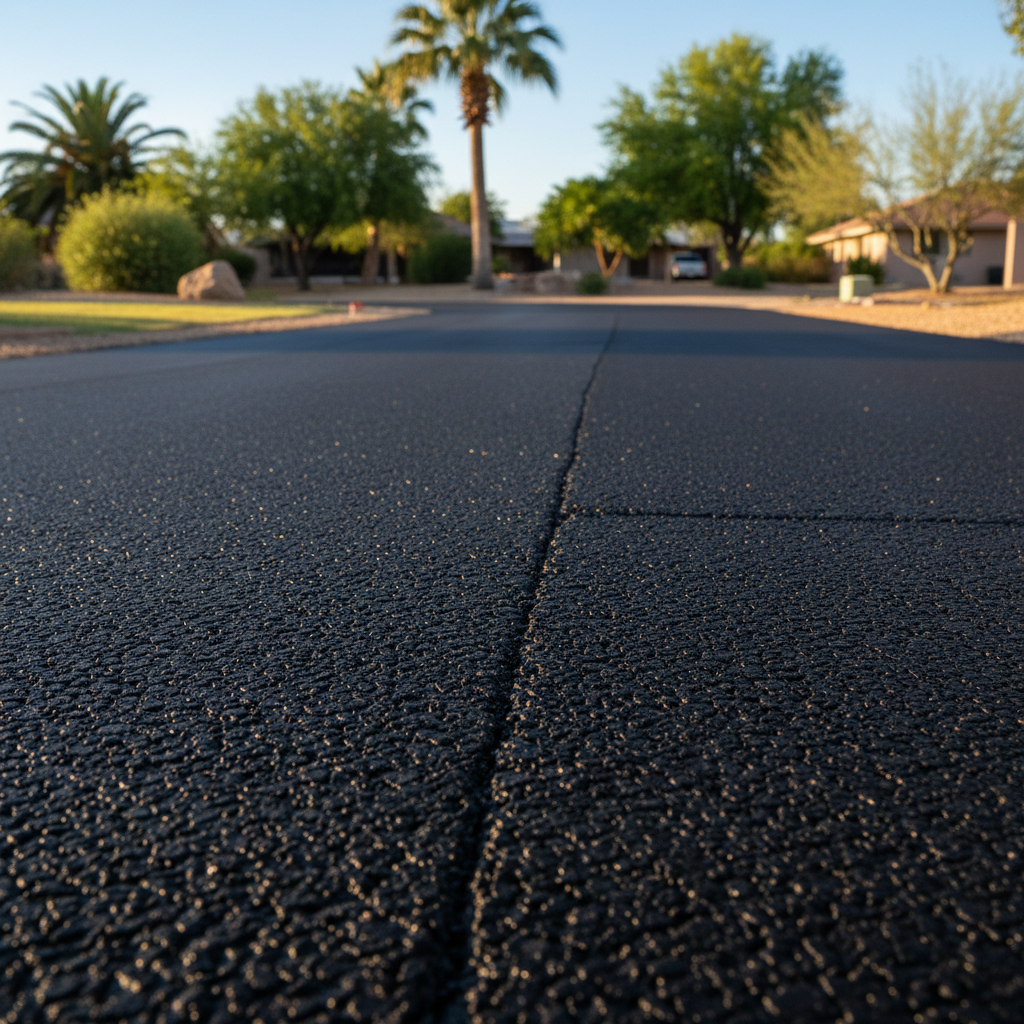
Thinking Driveway Paving in Tempe? Here's What You Need to Know.
A new driveway, or even just fixing up an old one, can really change how your home looks and how well it works. But for folks living here in Tempe, it's not always clear which parts of a paving project you can realistically tackle yourself, and when you absolutely need to call in a pro. I've seen plenty of driveways over the years, some great, some not so much, and I'm here to tell you what's what.
Before You Even Start: Planning and Prep
This is where a lot of people mess up, thinking they can just jump right into laying down material. That's a recipe for disaster, especially with our super-hot Arizona sun and those monsoon downpours. Good planning, honestly, is everything.
- Assess the Damage (or Dream): Is this a full replacement? Just a resurface? Or are you putting in a brand new driveway where nothing was before? The scope of the work decides everything. If you've got big cracks, potholes, or drainage problems, you're probably looking at more than just a quick patch.
- Drainage is King: Seriously, I can't say this enough in Tempe. Our soil, especially the caliche we often find around here, just doesn't drain well. You've got to make sure water will flow away from your house and not sit on your driveway. This usually means grading the area correctly. If you're not confident with a level and understanding how water moves, that's a huge red flag for DIY.
- Permits? Maybe: For simple repairs or resurfacing, you likely won't need one. But if you're making your driveway bigger, changing its shape, or connecting to a public street, you absolutely need to check with the City of Tempe. Ignoring this can lead to fines and, worse, having to rip out all your hard work.
- Call Before You Dig: Always. Always. Always. Dial 811 before any digging. You really don't want to hit a utility line. Trust me, that's an expensive mistake.
DIY Potential: You can definitely do the initial assessment, research permits, and make that 811 call. Basic cleaning and minor crack filling (with the right stuff) are also totally doable. But for serious grading, drainage planning, or anything that needs heavy machinery, you're probably better off with a pro.
During the Project: The Nitty-Gritty
Okay, so you've planned, you've prepped. Now it's time for the actual work. This is where the difference between a lasting, quality job and a crumbling mess often comes down to experience and the right tools.
- Excavation and Base Prep: If you're putting in a new driveway or replacing an old one, you'll need to dig it out. This means getting rid of old material, making the ground level, and then laying down a proper aggregate base. This base needs to be compacted really well. I'm talking heavy-duty vibratory plate compactors, not just stomping on it. A weak base means your driveway will crack and fail way too soon.
- Material Choice: Are you going with asphalt, concrete, or pavers? Each has its own installation requirements. Asphalt needs to be laid hot and compacted quickly. Concrete needs proper mixing, pouring, and curing. Pavers require a specific sub-base and edge restraints to keep them in place.
- Tools and Equipment: Do you have access to a skid steer, a roller, a concrete mixer, screeds, specialized hand tools? Renting these can add up fast, and using them effectively takes skill.
DIY Potential: For smaller concrete patch jobs, maybe pouring a small pad, or laying some simple pavers for a walkway, sure, go for it. But for an entire asphalt or concrete driveway? Unless you've got professional experience, the right equipment, and a crew, you're likely going to end up with a subpar result that just won't last long in our climate. This is where Alpha Asphalt Tempe and other local pros really earn their keep.
After the Paving: Maintenance and Care
So, the driveway's in. Looks great! Now what? Don't just forget about it. Proper maintenance, even for a professionally installed driveway, is super important for its longevity.
- Curing Time: If it's concrete, you absolutely need to let it cure properly before driving on it. Your contractor will tell you how long. For asphalt, you can usually drive on it sooner, but it's still 'soft' for a while. Avoid heavy vehicles and sharp turns for the first few days or even weeks.
- Cleaning: Regular sweeping and occasional washing with a hose can stop dirt and debris from building up and causing wear.
- Sealcoating (for Asphalt): This is a big one for asphalt driveways in Tempe. Our intense sun and heat dry out the asphalt binder, making it brittle. Sealcoating every 2-3 years protects it from UV rays, water getting in, and oil spills. Think of it like sunscreen for your driveway. You can buy sealcoat and apply it yourself with a squeegee, but it's a messy job, and getting an even, consistent coat takes practice.
- Crack Repair: Small cracks will happen over time. Catching them early and filling them with the right crack filler can prevent them from becoming bigger problems that let water seep in and undermine the base. This is definitely a DIY task for minor cracks.
DIY Potential: High! Cleaning, minor crack filling, and even sealcoating (if you're up for the work) are all things you can do to extend the life of your driveway. Just make sure you're using quality materials and following instructions.
Look, I'm all for homeowners tackling projects they're capable of. It saves money and gives you a sense of accomplishment. But when it comes to something as critical and expensive as your driveway, knowing your limits is key. A poorly installed driveway will cost you more in headaches and repairs down the road than hiring a professional would have in the first place. If you're unsure, or if the project involves significant excavation, grading, or large-scale paving, give a local expert a call. We're here to help you get it right the first time.